
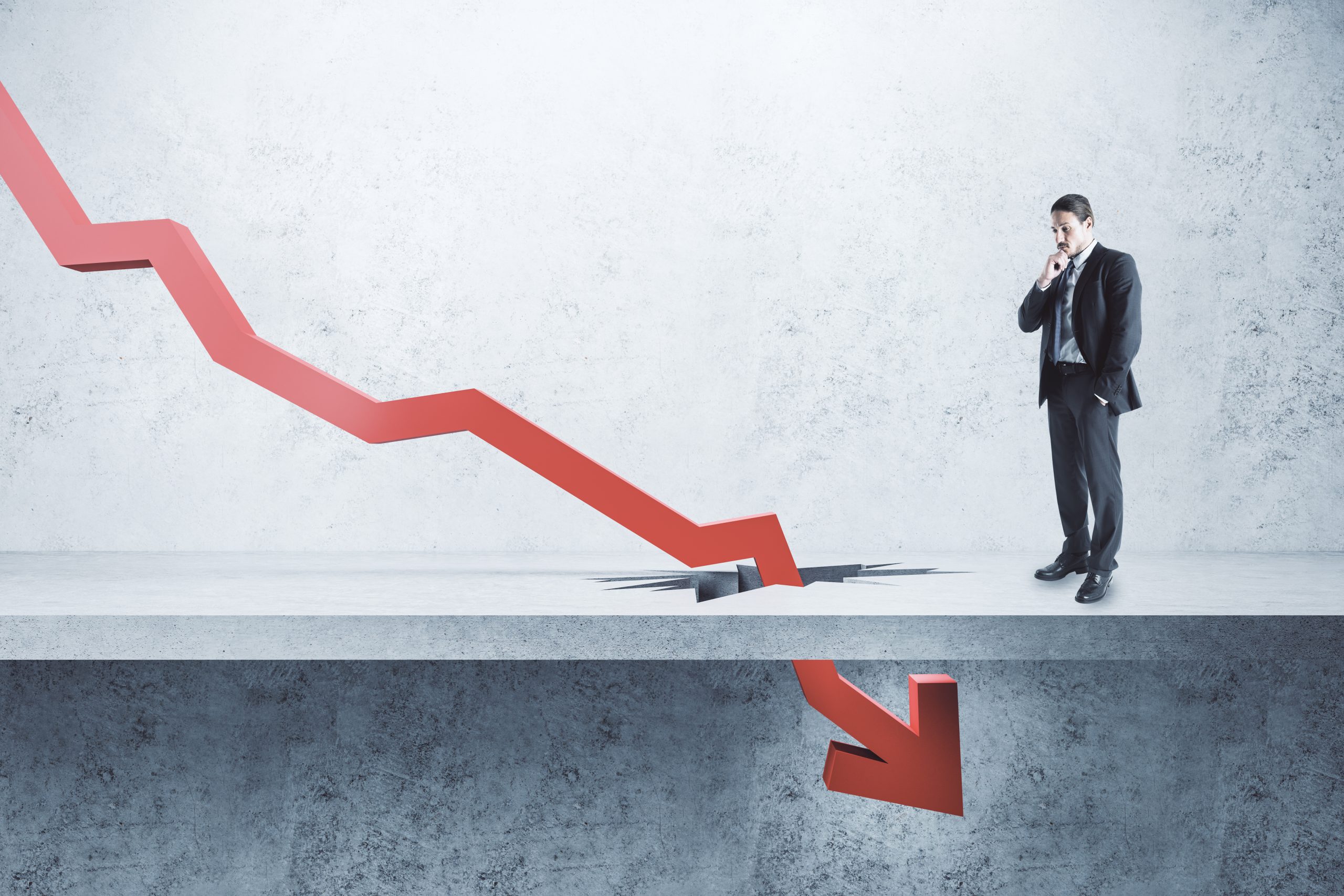
War is one of the most powerful events that can change a country’s future. It does not only affect borders and politics, but it also deeply impacts the economy. When we talk about the effect of war on economy, we must understand both short-term and long-term changes. Some effects are visible immediately, while others take years to show their true impact.
What Does “Effect of War on Economy” Mean?
The effect of war on economy means how war changes money flow, jobs, businesses, prices, and overall financial stability. During war, governments spend a lot of money on defense, weapons, and military operations. This affects other sectors like education, healthcare, and development.
War also creates uncertainty. Investors become careful, businesses slow down, and people start saving instead of spending. All these changes together impact the economy.
Short-Term Impact of War on Economy
The short-term effects of war are fast and often very intense. These effects can be seen within days or months after the war begins.
Sudden Increase in Government Spending
When war starts, the government immediately increases spending on defense. This includes buying weapons, paying soldiers, and managing logistics. While this boosts some industries like defense manufacturing, it puts pressure on the national budget.
This often leads to higher fiscal deficit, which means the government is spending more than it earns.
Rise in Inflation
War usually causes inflation. Prices of essential goods like food, fuel, and raw materials go up. Supply chains get disturbed, and imports become expensive.
For example, if oil supply is affected due to war, fuel prices increase. This impacts transportation, manufacturing, and daily life.
Stock Market Volatility
Financial markets react quickly to war. Stock markets often fall due to fear and uncertainty. Investors move their money to safer options like gold or fixed deposits.
People who are looking for a Smart Investment Option for Indian Investors usually become more cautious during such times and prefer stable assets over risky ones.
Job Loss and Business Slowdown
Many businesses suffer during war, especially those dependent on imports or exports. Tourism, aviation, and international trade sectors are heavily affected.
This leads to job losses and reduced income for many families. Small businesses struggle the most because they have limited resources to survive tough times.
Currency Fluctuation
The value of a country’s currency may fall during war. This happens because foreign investors lose confidence and withdraw their money.
A weak currency makes imports more expensive, which again increases inflation and affects the economy.
Long-Term Impact of War on Economy
While short-term effects are immediate, long-term effects of war can shape the future of a country for many years.
Economic Growth Can Slow Down
War damages infrastructure like roads, buildings, factories, and ports. Rebuilding all this takes time and money.
As a result, economic growth slows down. Countries that face long wars often struggle to recover even after peace returns.
Increase in National Debt
To finance war, governments often borrow money. This increases national debt.
In the long run, high debt means the government has to pay more interest. This reduces funds available for development projects and welfare programs.
Change in Global Trade Relations
War can change how countries trade with each other. Some countries may stop trading due to political reasons, while new partnerships may form.
This reshapes global trade patterns and affects industries that depend on international markets.
Technological Advancement
Not all long-term effects are negative. War sometimes leads to innovation and technological growth. Many modern technologies were developed during wartime.
These advancements can later help industries grow and improve productivity.
Shift in Investment Patterns
After war, investors change their strategies. They prefer stable and long-term investments.
This is where professional financial planning becomes important. Services like Best PMS in India help investors manage their portfolios wisely, especially in uncertain times.
Impact on Wealth Management
War affects not only countries but also individuals and families. People start thinking more about saving, investing, and securing their future.
For global citizens, services like NRI Wealth Management Services in India become important to manage wealth across countries, especially when geopolitical risks are high.
How War Affects Different Sectors of Economy
The effect of war on economy is not the same for all sectors. Some sectors suffer, while others may grow.
Defense and Manufacturing
Defense companies often see growth because of increased demand for weapons and equipment. Manufacturing related to military supplies also increases.
Agriculture
Agriculture can suffer due to lack of labor, damaged land, and disrupted supply chains. Food shortages may occur, leading to higher prices.
Banking and Finance
Banks become more cautious in lending. Interest rates may change depending on inflation and economic conditions.
Financial planning becomes more important during such uncertain times.
Technology Sector
Technology sector may grow due to demand for cybersecurity, communication systems, and advanced tools.
Global Impact of War on Economy
War in one country can affect the whole world. Today’s economies are connected, so any disruption spreads quickly.
For example, if a major oil-producing country is involved in war, oil prices increase globally. This affects transportation, manufacturing, and daily expenses everywhere.
Global investors also react quickly, shifting their investments to safer markets.
How Investors Should React During War
Understanding the effect of war on economy helps investors make better decisions.
During war, it is important to stay calm and avoid panic selling. Long-term investments usually recover over time.
Diversification is key. Investing in different assets like gold, mutual funds, and fixed income options can reduce risk.
Professional guidance from trusted platforms like shree radha financial services can help investors make smart decisions based on market conditions.
You can also explore more financial planning insights by visiting their official website: http://www.srwealth.co.in/
Importance of Financial Planning in Uncertain Times
War reminds us that uncertainty is always present. Financial planning helps individuals stay prepared for such situations.
Saving regularly, investing wisely, and having emergency funds are very important. It also helps to review your investment strategy from time to time.
People who plan their finances well are able to handle economic shocks better than those who do not.
Real-Life Examples of War Impact
History shows many examples of how war has changed economies.
World War events caused massive destruction but also led to industrial growth in some countries. More recently, regional conflicts have affected global oil prices and stock markets.
These examples show that the effect of war on economy is complex and depends on many factors like duration, location, and global response.
Role of Government During War
Governments play a key role in managing the economy during war. They try to control inflation, support businesses, and maintain stability.
Policies like subsidies, tax changes, and financial aid are often introduced to support citizens and industries.
However, managing an economy during war is always challenging due to limited resources and high uncertainty.
Recovery After War
Recovery is a long process. It involves rebuilding infrastructure, restoring businesses, and regaining investor confidence.
Countries that focus on strong policies and smart investments recover faster.
Individuals also need to rebuild their finances and plan for the future carefully.
Conclusion
The effect of war on economy is deep and wide. In the short term, it creates inflation, job loss, and market instability. In the long term, it can slow growth, increase debt, and change global trade.
At the same time, it also brings lessons about financial discipline and planning.
For individuals and investors, the key is to stay informed, stay calm, and make smart financial decisions. Choosing the right investment strategies and taking guidance from trusted experts like shree radha financial services can make a big difference.
Understanding the economy is the first step toward protecting and growing your wealth, no matter what happens in the world.